EcoMaterials 2005: Connecting science with the grassroots
 Preparations are well underway for the upcoming third edition of the EcoMaterials Conferences, to be held in Santa Clara, Cuba in November. The article broadens the already existing information, including the accompanying events such as a Seminar on Earth Construction and a Workshop on Architecture, as well as the tour options within the program conference program.
Specialists from around the world will meet in
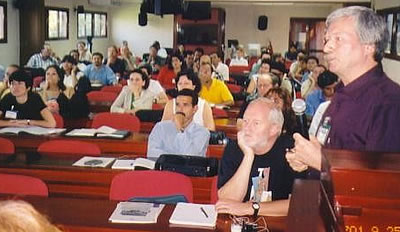
Each day begins with a debate where four high-level specialists focus upon various aspects of the theme of the day. Afterwards the plenum divides into three commissions which discusses four or five presentations about the sub-theme. All activities have simultaneous Spanish-English translation. Experience has shown that more or less a third of the participants speak only Spanish, another third speaks only English, and another third dominates both languages. This mixture guarantees debate and interchange of experiences not only in the official presentations, but also in the cafeteria, in the hallways, at the poster exhibition, even at night in the bars of
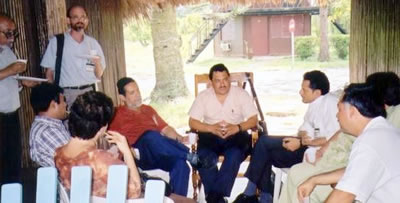
In the afternoons spontaneous discussion groups will be organized. Four years ago, for example, a discussion evolved around the theme of plasters for adobe walls that became the subject of an investigation, the results of which will be presented this year. A likely discussion will evolve around the use of EcoMaterials in disaster prevention, which could give rise to possible regional meetings in the future.
This combination of earnest discussions in the conference rooms, meetings in the hallways, and informal conversations around a bottle of good rum at night, has harvested fruits in the form of projects and business.
The event will take place at a small and welcoming conference center on the outskirts of
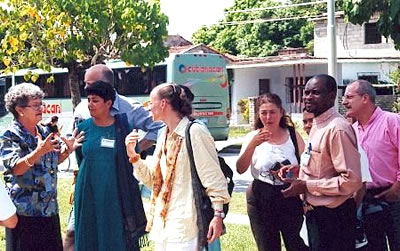
The first day of the conference (Monday) provides the opportunity to soak up the local atmosphere. A tour of the city is offered, along with an encounter with key people from the
Seminar on earth construction
Over the past years, interest in earth construction has increased at breakneck speed. It appears that more and more professionals and students are becoming aware that the rational and technical use of the simple material clay is an important theme for the future of humanity. In response to this interest a two-day seminar has been organized specifically about this theme, but combined with the conference. On the Friday and Saturday prior to the conference four themes will be treated at this seminar. Each of these sessions begins with an formal presentation, after which the plenum will divide into small groups where to debate a particular project. The language of the seminar is Spanish and there will be no simultaneous translation.
This event will be held at the Polytechnic University of Havana (CUJAE). Economical accommodation is offered on the campus, without luxuries of course, but on other occasions this has not inhibited the enthusiasm of the participants from various countries discussing into the late hours. Hotels in the city are also available.
For those who participate in both events (Earth Seminar and EcoMateriales 2005), on Sunday will be the journey by bus to
Architecture workshop
The architecture faculty in
Costs....and how to pay
Considering that many participants come from southern countries or institutions that seek economy, efforts have been made to keep costs low. Registration can be paid in advance by credit card or bank transfer. Those who pay on site will have to pay in cash at a higher cost, and in convertible pesos (CUC). Accommodation packages can be paid on site by credit card (VISA, Master, Eurocard, Cabal), or in cash. It is expected that complete packages can be offered that include hotel and local transportation for around $
Additional information
More complete information about the three events can be found on this WebSite, and hotel offers will be published in the near future.


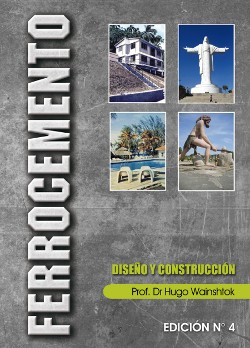 (Available in spanish only)
