Networking in Zimbabwe
by Peter Dunckley
Leading tile workshop in Southern Africa
Despite the extremely difficult economic conditions facing Zimbabwe's small enterprises, which include rampant inflation and cement shortages, the Harare based MCR workshop Tovlen Tile Manufacturing going from strength to strength, developing an expanding market niche in Harare's upper middle class housing market. Clearly this workshop is the 'leading commercial MCR workshop' in Southern Africa.
 The workshop director Ms. Maytee Campos has forged a strong, committed work team to offer commercial tile production and roofing services to the general public, with capacity production booked up well into 2003. Productivity on two Tevi machines is high (600 tiles/day), with good quality 8mm tiles being produced. Product development is ongoing with circular ridge tiles, tile finishes, initiating 10mm tile production, exploring waterproofing plastic underlays, as well as ongoing mix and sand composition adjustments to accommodate the varying cement, oxide and sand qualities that the general economic crisis is availing. Acceptable quality cement is now only available in min. 600 bag loads from a new Chinese factory at a distance from Harare. The workshop is selling surplus cement to the public and to a brickmaking enterprise established on the site. In the course of my visit we reviewed the workshop´s production practices, solved a problem with a complex leaking roof, visited another complex roof of a potential customer, and went over the technical options for introducing plastic underlays. As well, we met Interlap, an architectural practice that is using the MCR tiles, to discuss detailing, possible low income housing applications and visit some of their projects. Development role
The Tovlen Tile workshop has also engaged in a development role, developing training capacity through the establishment of a new independent MCR workshop. If this new workshop sustains, the exercise could be repeated periodically. The workshop is entering into support relationships with women's MCR production groups.
Networking
On a networking visit to ITDG we were able to share copies of our training resources and reports with their team and reviewed training methodologies and issues we saw as important such as business and marketing training, tilemaking plus roofing services, theoretical tools for experimentation, quality control issues etc. The team was very open to and eager for collaboration.
Under ITDG's 'Women in Construction' and 'Integrated Approach to Housing' Programs, five new home based MCR women's production groups have been trained. The groups started training in March and have just started production, but have as yet not made significant tile sales. One group has established a relationship with a woman hardware supplier who is going to market their tiles.
Maytee proposed the possibility of supplying cement to the groups, monitoring their quality and buying tiles from them to boost her stocks to meet backlogs, which we all agreed would be mutually beneficial. It was proposed that she act as a role model for the women to emulate and the possibilities of training apprenticeships in roofing and business management were discussed.
Action points for this year were agreed on whereby a delegation of two women from each group will visit the Tovlen workshop for an exposure visit and initial discussions around business skills, marketing and collaboration. They will bring three 28 day old tiles from each workshop for quality control and strength testing in the jaws of the tilebreaker. The ITDG team will study my notes on sand and mortar mixing to gain quality control and experimental capabilities and conduct the exercises before Christmas.
Standards
The work on formulating a standards document for MCR in Zimbabwe is complete and the document is currently approaching the end of a mandatory period of public comment, and should be formally adopted in the near future.
Hot off the Press (EcoSouth note)
A new technical sheet prepared by Peter Dunckley is hot off the press and will be distributed to the workshops in Zimbabwe as well as other workshops throughout the English-speaking world. |


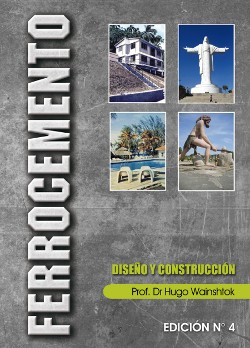 (Available in spanish only)
